ALEXANDER
DEAF
PATH
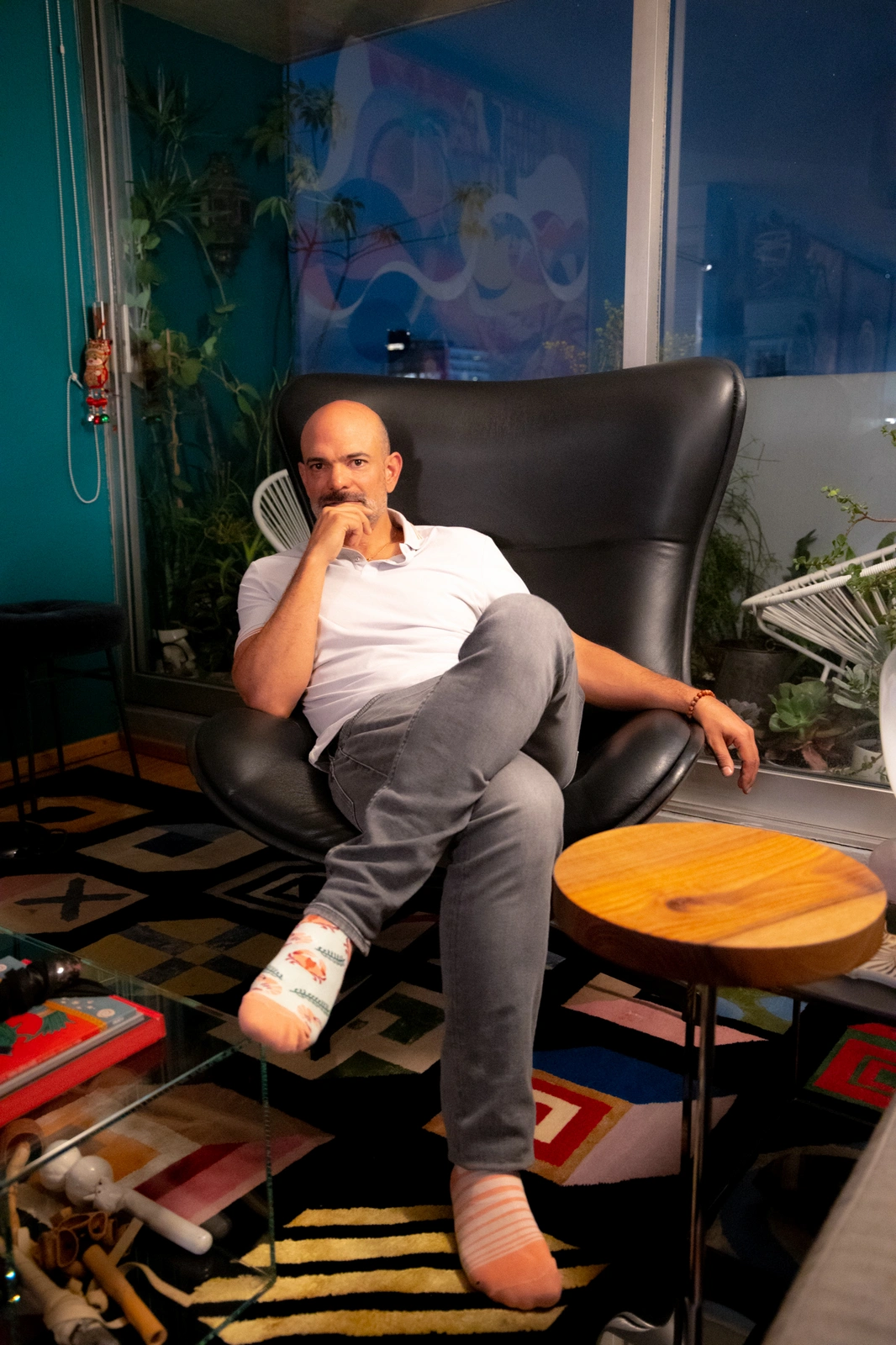
Alejandro Sordo Guzmán is a curator, cultural manager, and director of artistic projects with a solid track record in modern and contemporary art in Mexico and internationally. His practice is characterized by the articulation of critical thinking, curatorial vision, and a deep understanding of the symbolic, aesthetic, and human processes involved in artistic creation.
He holds a degree in International Relations from UNAM and McGill University, and a master's degree in Modern and Contemporary Art Studies. For over a decade, he has worked on the development of exhibitions, publications, archives, marketing strategies, and art legacy projects, combining intellectual rigor with a sensitive and contemporary perspective.
For over thirteen years, he was curator, editor, and director of the Pedro Friedeberg Studio, where he coordinated national and international exhibitions, key publishing projects, museum installations, and institutional collaborations. During this time, he developed extensive experience in the comprehensive management of artists: from production and curatorial discourse to the circulation of artworks, the art market, and the long-term development of cultural value.
In parallel, Alejandro has developed independent projects that cross art, design, symbolic thought and sensory experience, as well as editorial, curatorial and exhibition initiatives that question traditional exhibition formats and promote new forms of encounter between work, spectator and context.
In 2026, it was founded THRESHOLD|ES, a contemporary art fair conceived not as a conventional collective exhibition, but as a set of individual exhibitions brought together under a common curatorial vision.
As director and general curator of the fair, Alejandro proposes Umbrales as a space of transit: a place where art functions as an experience, as a perceptual threshold and as a technology of consciousness.
UMBRAL|ES reflects his conviction that contemporary art is not only contemplated, but experienced; not only explained, but lived. From this perspective, Alejandro Sordo Guzmán promotes projects that seek depth, conceptual clarity, and an honest relationship between creation, thought, and contemporary sensibility.